
Top cities for architecture tours beckon travelers with a promise of breathtaking structures and captivating histories. This exploration delves into the world’s most architecturally significant urban landscapes, considering factors like historical context, diverse styles, and accessibility for tourists. We’ll uncover iconic landmarks and hidden gems, providing a framework for planning your own unforgettable architectural journey.
From the Gothic grandeur of Europe to the modern marvels of Asia, we’ll examine the criteria used to select these exceptional cities, comparing different ranking methodologies and highlighting the unique characteristics that make each location a must-see for architecture enthusiasts. Prepare to be inspired by the stunning diversity and rich history presented in this comprehensive guide.
Top Cities for Architecture Tours
From the soaring skyscrapers of modern metropolises to the ancient wonders of bygone eras, the world is a breathtaking tapestry of architectural marvels. Architectural tourism offers a unique lens through which to experience different cultures, histories, and design philosophies, transforming a simple sightseeing trip into an enriching educational journey. Exploring iconic buildings and lesser-known gems allows for a deeper understanding of a city’s evolution and the creative spirit of its inhabitants.Selecting the top cities for architecture tours requires careful consideration of several key factors.
Historical significance plays a crucial role, as cities with rich pasts often boast a diverse range of architectural styles spanning centuries. The presence of iconic landmarks, well-preserved historical districts, and innovative contemporary designs all contribute to a city’s architectural appeal. Finally, accessibility, including ease of navigation and the availability of guided tours and resources, is vital for a truly enjoyable experience.
Factors Influencing Architectural Tour Selection, Top cities for architecture tours
The selection of the world’s premier destinations for architectural tourism is multifaceted, encompassing a range of elements that contribute to an engaging and informative experience. A city’s historical context heavily influences its architectural landscape; cities with long and complex histories often showcase a wide variety of architectural styles reflecting different eras and cultural influences. The preservation of historical buildings and districts is paramount, ensuring visitors can appreciate the craftsmanship and design principles of the past.
Furthermore, the integration of modern and contemporary architecture adds another layer of interest, showcasing how architectural design evolves and adapts to changing times and technologies. Finally, the availability of well-structured tours, informative guides, and easy navigation within the city significantly enhance the overall experience for the visitor. A city with excellent infrastructure and readily available resources will invariably provide a more satisfying and memorable architectural tour.
Criteria for Selection
Defining what constitutes a “top” city for architecture tours requires a multifaceted approach, considering not only the sheer quantity of impressive buildings but also the quality, diversity, and accessibility of the architectural experience. This involves a careful weighing of several key criteria, which often differ depending on the publication or expert offering the ranking.Ranking methodologies employed by travel publications and architectural experts frequently vary.
Some prioritize the sheer historical significance and architectural diversity of a city, focusing on the breadth of styles represented, from ancient Roman ruins to contemporary skyscrapers. Others emphasize the city’s commitment to preservation and restoration efforts, rewarding locations that actively protect and maintain their architectural heritage. Still others place a greater emphasis on the practical aspects of touring, such as the availability of well-organized guided tours, the ease of navigation, and the overall tourist infrastructure.
Architectural Diversity and Historical Significance
The diversity of architectural styles present within a city significantly impacts its ranking. Cities boasting a wide range of styles—from Gothic cathedrals to Art Deco masterpieces, from Bauhaus buildings to modern skyscrapers—offer a richer and more engaging experience for architecture enthusiasts. The historical significance of these structures, reflecting pivotal moments in architectural history and cultural development, further enhances their appeal.
For example, a city featuring well-preserved examples of Romanesque, Gothic, Renaissance, and Baroque architecture would score higher than a city primarily showcasing a single architectural style. The presence of iconic landmarks, known globally for their architectural innovation or historical importance, also contributes significantly.
Preservation and Restoration Efforts
A city’s dedication to preserving and restoring its architectural heritage is a crucial factor. Active preservation programs, including government initiatives and private efforts, demonstrate a commitment to safeguarding significant buildings and urban landscapes. Cities with well-maintained historic districts and effective urban planning that integrates historical preservation with modern development tend to rank higher. For instance, a city with a comprehensive program to maintain and restore its historical buildings, and which actively integrates its historic districts into the modern city fabric, will be seen more favorably than a city where historical buildings are neglected or demolished.
Accessibility and Tourist Infrastructure
The ease with which tourists can access and explore a city’s architectural wonders is a key determinant. This includes factors such as the availability of well-marked walking tours, public transportation that efficiently connects architectural sites, the presence of visitor centers with informative materials, and the accessibility of buildings for people with disabilities. A city with a comprehensive network of well-maintained walking paths, easily accessible public transportation connecting major architectural sites, and readily available information in multiple languages will be ranked more highly than a city lacking such amenities.
Furthermore, the availability of high-quality guided tours, offered in various languages and catering to different interests (e.g., architectural history, photography, sustainable design), greatly enhances the visitor experience.
Ranking Criteria Comparison
| Criterion | Weighting (Example) | Description | Example of High Ranking City |
|---|---|---|---|
| Architectural Diversity | 30% | Variety of styles and periods represented. | Rome, Italy |
| Preservation Efforts | 25% | Commitment to maintaining and restoring buildings. | Florence, Italy |
| Tourist Accessibility | 25% | Ease of access to sites and availability of tours. | Barcelona, Spain |
| Historical Significance | 20% | Impact of the architecture on history and culture. | Paris, France |
Top 10 Cities
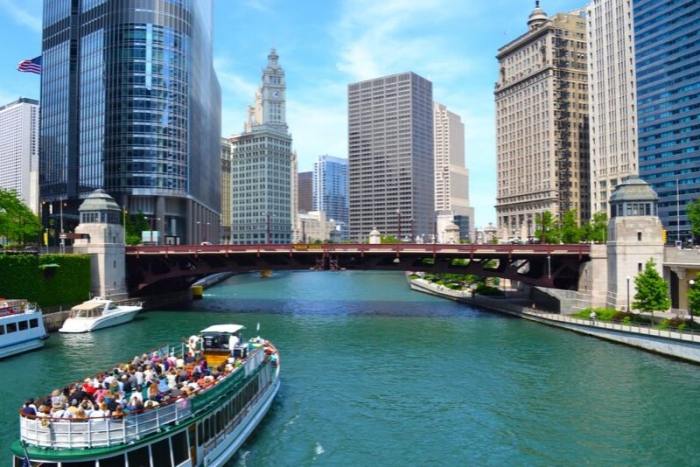
This section delves into a detailed exploration of ten cities renowned for their exceptional architectural landscapes. Each city offers a unique blend of styles, periods, and influences, providing a rich tapestry for architectural enthusiasts to explore. We will examine both iconic landmarks and lesser-known gems, highlighting the distinct character of each urban environment.
Architectural Highlights of Top 10 Cities
- Rome, Italy: Rome’s architectural heritage spans millennia, from the ancient Colosseum and Pantheon, showcasing Roman engineering prowess and classical orders, to the Baroque grandeur of St. Peter’s Basilica and the Trevi Fountain. Lesser-known gems include the charming, hidden piazzas and the intricate details of Renaissance palazzos. Rome’s architectural character is defined by its layered history, a palpable sense of timelessness, and a masterful blend of classical and religious influences.
The city seamlessly integrates ancient ruins with Baroque masterpieces, creating a unique and captivating urban landscape.
- Paris, France: Paris is synonymous with elegance and sophistication, boasting iconic structures like the Eiffel Tower, a symbol of the Industrial Revolution, and the Louvre Museum, a masterpiece of French Renaissance architecture. Hidden architectural gems include the charming streets of Montmartre and the Art Nouveau masterpieces scattered throughout the city. Paris’ architectural character is characterized by its graceful Haussmannian boulevards, its opulent Belle Époque buildings, and its blend of historical grandeur and modern innovation.
- Barcelona, Spain: Antoni Gaudí’s fantastical creations, such as the Sagrada Família and Park Güell, define Barcelona’s unique architectural identity. However, beyond Gaudí, the city boasts a rich tapestry of Gothic architecture in the Gothic Quarter and examples of Catalan Modernism. Barcelona’s architectural character is characterized by its playful use of curves, vibrant colors, and a strong connection to nature, reflecting the city’s spirited and innovative spirit.
- New York City, USA: From the Art Deco Chrysler Building to the soaring skyscrapers of Midtown Manhattan, New York City showcases a remarkable evolution of architectural styles. Less well-known gems include the intricate details of brownstones in Brooklyn and the architectural diversity of Greenwich Village. New York’s architectural character is defined by its dynamic energy, its constant evolution, and its impressive scale, reflecting the city’s ambition and its role as a global center.
- Chicago, USA: Chicago is renowned as the birthplace of the skyscraper, with iconic buildings like the Willis Tower and the Tribune Tower representing the city’s pioneering role in structural innovation. The city also features a wealth of Prairie School architecture, characterized by its horizontal lines and integration with the natural landscape. Chicago’s architectural character is defined by its bold experimentation, its embrace of innovation, and its stunning skyline, reflecting the city’s entrepreneurial spirit and its dedication to progress.
- London, England: London’s architectural landscape is a rich tapestry of styles, from the neoclassical grandeur of Buckingham Palace to the gothic majesty of Westminster Abbey. Hidden architectural gems include the charming Georgian terraces and the Victorian architecture of the city’s numerous museums. London’s architectural character is defined by its layered history, its blend of styles, and its capacity to seamlessly integrate the old and the new, creating a vibrant and multifaceted urban environment.
- Dubai, UAE: Dubai’s architecture is characterized by its futuristic designs and ambitious scale, exemplified by the Burj Khalifa, the world’s tallest building, and the Palm Jumeirah, a man-made archipelago. Lesser-known architectural gems include the traditional wind towers and the modern architectural innovations found in the city’s newer developments. Dubai’s architectural character is defined by its breathtaking scale, its innovative designs, and its bold embrace of cutting-edge technology, reflecting the city’s rapid growth and its global ambition.
- Kyoto, Japan: Kyoto’s traditional wooden architecture, exemplified by its temples and palaces, such as Kinkaku-ji (Golden Pavilion) and Kiyomizu-dera, showcases the country’s rich history and craftsmanship. Hidden architectural gems include the meticulously designed gardens and the traditional machiya townhouses. Kyoto’s architectural character is defined by its serene beauty, its intricate details, and its deep connection to nature and tradition, reflecting the city’s rich cultural heritage.
- Florence, Italy: Florence is renowned for its Renaissance architecture, with iconic landmarks like the Duomo and the Uffizi Gallery showcasing the city’s pivotal role in the artistic and architectural movements of the era. Lesser-known gems include the charming bridges spanning the Arno River and the elegant palazzos lining its streets. Florence’s architectural character is defined by its elegance, its harmony, and its masterful use of classical proportions, reflecting the city’s enduring legacy as a center of art and culture.
- Vienna, Austria: Vienna’s architectural heritage reflects its rich history as a Habsburg capital, with iconic structures like the Schönbrunn Palace and the Hofburg Palace showcasing Baroque and Rococo grandeur. Hidden architectural gems include the Art Nouveau architecture of the city’s residential areas and the Secession Building. Vienna’s architectural character is defined by its imperial elegance, its ornate detailing, and its blend of historical grandeur and modern influences, reflecting the city’s sophisticated and cultured atmosphere.
Architectural Styles Represented
Exploring the top cities for architecture tours reveals a fascinating tapestry of styles, each reflecting unique historical periods and cultural influences. These styles aren’t isolated; many cities boast a blend of architectural movements, showcasing the evolution of design and the layering of historical periods. Understanding these styles provides a deeper appreciation for the cities’ narratives and their architectural heritage.The prominent architectural styles represented in our top ten cities demonstrate a chronological progression, albeit with overlaps and regional variations.
For instance, while Gothic architecture flourished in the medieval period, its influence can still be seen in later designs. Similarly, the rise of Modernism didn’t entirely erase Baroque or Renaissance influences; instead, it often engaged in dialogue with these predecessors. This interplay between styles adds richness and complexity to the urban landscape.
Gothic Architecture’s Enduring Legacy
Gothic architecture, with its soaring spires, pointed arches, and intricate detailing, is prominently featured in several of our selected cities. Cities like Paris, with its Notre Dame Cathedral, and Prague, known for its Charles Bridge and Old Town Hall, exemplify the grandeur and spiritual aspirations reflected in this style. The emphasis on verticality, the use of stained glass, and the incorporation of flying buttresses are hallmarks easily identifiable in these examples.
The historical context is firmly rooted in the medieval period, reflecting the power of the Church and the burgeoning technological advancements that allowed for such ambitious constructions. In contrast to the classical balance of Roman architecture, Gothic architecture embraced verticality and intricate ornamentation, symbolizing a shift in spiritual and cultural priorities.
Baroque Flourish and Rococo Refinement
The Baroque style, characterized by its dramatic ornamentation, grandeur, and use of curves, is strongly represented in cities like Rome and Vienna. Rome’s numerous Baroque churches and palaces, such as the Basilica di San Pietro, showcase the style’s theatrical and opulent nature. Vienna’s Hofburg Palace provides another prime example, demonstrating the style’s use in royal and imperial architecture.
The Baroque period, following the Renaissance, emphasized movement, emotion, and theatricality, reflecting the power of the Catholic Church and the absolutist monarchies of the time. Rococo, a more refined and delicate offshoot of Baroque, can also be found in these cities, often expressed in smaller-scale details and interior design. This evolution shows a shift from the overtly grand to a more intimate and playful aesthetic.
Modernism’s Bold Departure and Art Deco’s Glamour
Modernist architecture, with its emphasis on functionality, clean lines, and a rejection of ornamentation, is represented in cities like Chicago and New York. Chicago’s skyscrapers, built during the late 19th and early 20th centuries, are early examples of the Modernist approach to urban design. New York City, particularly in its Art Deco buildings of the 1920s and 30s, showcases a different facet of Modernism, one that embraced geometric forms and decorative elements.
The Chrysler Building is a quintessential example of Art Deco’s glamour and sophistication. Modernism, as a reaction against the excesses of previous styles, championed functionality and new materials like steel and concrete, reflecting the industrial revolution and the rise of new technologies. Art Deco, a sub-style of Modernism, retains decorative elements but with a streamlined geometric aesthetic, capturing the optimism and technological advancements of the era.
A Visual Representation of Architectural Styles
Imagine a visual grid. Each cell represents a city from our top ten. Within each cell, smaller images represent the dominant architectural styles present. For example, the Paris cell might feature miniature depictions of Notre Dame (Gothic), the Louvre’s classical wing (Renaissance), and a modern glass building (Modern). Similarly, Rome’s cell could include the Pantheon (Roman), the Trevi Fountain (Baroque), and a contemporary museum (Modern).
This visual representation would instantly convey the diverse architectural heritage found in each city, highlighting both the historical evolution and the contemporary architectural landscape. The overall effect would be a vibrant and dynamic display of architectural styles across different global contexts.
Ultimately, embarking on an architecture tour is more than just sightseeing; it’s a journey through time, culture, and human ingenuity. The cities highlighted above offer a diverse range of architectural styles and experiences, ensuring a rewarding adventure for any traveler. Whether you are captivated by ancient cathedrals, sleek modern skyscrapers, or charming historical districts, these destinations promise an unforgettable exploration of the built environment.
Plan your trip, and prepare to be amazed.
Q&A
What’s the best time of year to visit these cities for optimal weather?
The ideal time varies by city and climate. Research the specific climate of each city you plan to visit to determine the best time for pleasant weather conditions.
How much should I budget for an architecture tour?
Budgeting depends on trip length, travel style (luxury vs. budget), and chosen activities. Research costs for flights, accommodation, tours, and food to create a realistic budget.
Are guided tours necessary, or can I explore independently?
Guided tours offer valuable insights and context, but independent exploration is possible, especially if you utilize architectural guides and maps. Consider your preferences and comfort level.
What are some accessible options for travelers with disabilities?
Accessibility varies between cities and sites. Check individual city and landmark websites for information on wheelchair access, ramps, elevators, and other accessibility features before planning your trip.


