
Top shopping markets in Asia offer a vibrant tapestry of experiences, from bustling night markets overflowing with exotic goods to sleek, modern malls showcasing international brands. This exploration delves into the unique characteristics of Asian shopping destinations, highlighting the cultural nuances, diverse product offerings, and the evolving landscape shaped by globalization and technology. We’ll journey through iconic cities, uncovering hidden gems and exploring the best ways to navigate these exciting retail hubs.
From the sensory overload of Bangkok’s Chatuchak Weekend Market to the sophisticated boutiques of Tokyo’s Ginza, Asia’s shopping scene caters to every taste and budget. We’ll examine the various market types, from traditional street markets steeped in local culture to high-end department stores offering luxury goods, comparing and contrasting the shopping experiences across different regions. This guide aims to provide a comprehensive overview, equipping you with the knowledge and insights to plan an unforgettable Asian shopping adventure.
Exploring Market Types and Experiences
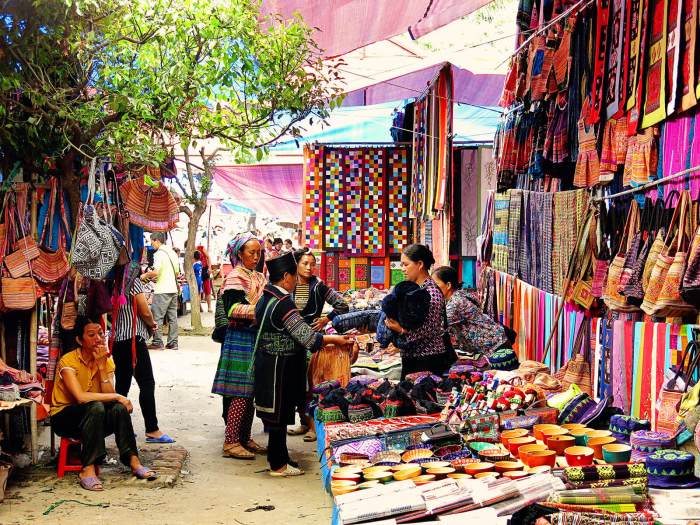
Asia’s diverse shopping landscape offers a captivating blend of traditional and modern retail experiences. From bustling night markets overflowing with vibrant goods to sleek, high-end malls showcasing international brands, the variety reflects the region’s rich cultural tapestry and economic dynamism. Understanding the different market types and their cultural significance provides a deeper appreciation for the unique shopping traditions across Asia.
Asian shopping markets showcase a remarkable spectrum of retail environments, each offering a distinct atmosphere and shopping experience. The cultural context significantly influences the market’s character, impacting everything from the types of goods sold to the social interactions that take place within them. This exploration delves into the diverse types of markets, highlighting their cultural significance and unique shopping traditions.
Types of Asian Shopping Markets and Their Characteristics
Asia’s shopping markets encompass a wide range of formats, each catering to different needs and preferences. These range from informal, open-air settings to sophisticated, climate-controlled environments. The following provides a closer look at some of the most common types.
- Night Markets: Typically found in many Southeast Asian countries, night markets are vibrant, open-air spaces that come alive after sunset. They offer a wide array of goods, from clothing and accessories to street food and souvenirs. The atmosphere is usually lively and bustling, with vendors calling out their wares and shoppers haggling over prices. Examples include the Yaowarat (Chinatown) night market in Bangkok and the Shilin Night Market in Taipei.
- Street Markets: These markets are often less structured than night markets, sometimes operating during the day. They can be found throughout Asia, offering a diverse range of goods, often at lower prices than in more formal retail settings. Street markets often specialize in particular items, such as clothing, electronics, or fresh produce. The experience is generally more informal and interactive, with direct engagement between buyers and sellers.
- Department Stores: These large, multi-level retail establishments offer a wide range of goods, from clothing and cosmetics to home goods and electronics. They are typically found in major cities and often feature international brands alongside local ones. Department stores in Asia often incorporate elements of local culture into their design and marketing.
- Luxury Malls: These upscale shopping centers feature high-end brands and offer a sophisticated shopping experience. They are usually located in prime city locations and often include restaurants, entertainment venues, and other amenities. Luxury malls in Asia often reflect the latest international trends and showcase the region’s growing affluence.
Cultural Significance of Shopping Markets
Shopping markets in Asia are not merely places to buy and sell goods; they are integral parts of the social and cultural fabric of many communities. They serve as important social hubs, bringing people together and fostering a sense of community. The cultural significance varies across different countries and regions.
- In many Southeast Asian countries, night markets are important social spaces where families and friends gather to socialize, eat, and shop. The vibrant atmosphere and lively interactions are central to the experience.
- In Japan, department stores play a significant role in the social life of many people, offering a wide range of services and experiences beyond simply shopping.
- In China, large shopping malls have become important symbols of economic progress and modernization, showcasing the country’s rapid development.
Unique Shopping Traditions and Rituals, Top shopping markets in Asia
Many Asian shopping markets feature unique traditions and rituals that add to the overall shopping experience. These practices often reflect the local culture and customs.
- Haggling: In many street markets and night markets, haggling over prices is a common and expected practice. It’s part of the negotiation process and a way to build rapport between buyer and seller. This is prevalent in many Southeast Asian countries.
- Gift-giving: Gift-giving is an important aspect of many Asian cultures, and shopping markets often play a key role in this tradition. Markets might specialize in items suitable for gifts, such as traditional crafts or delicacies.
- Festival Shopping: Many Asian countries have festivals and celebrations where shopping plays a significant role. Markets might feature special items or decorations related to the festival, and the overall atmosphere is festive and celebratory.
Pros and Cons of Different Market Types
Each type of market offers its own advantages and disadvantages. The best choice depends on individual preferences and priorities.
| Market Type | Pros | Cons |
|---|---|---|
| Night Markets | Lively atmosphere, diverse goods, often cheaper prices, unique cultural experience | Can be crowded, may lack organization, some goods might be lower quality |
| Street Markets | Lower prices, informal and interactive experience, often specialized goods | Can be less organized, hygiene might be a concern in some areas, quality can vary |
| Department Stores | Wide selection of goods, comfortable shopping environment, reliable quality | Higher prices, less personalized service, can be less culturally unique |
| Luxury Malls | High-end brands, sophisticated atmosphere, convenient amenities | Very high prices, can feel impersonal, may lack local character |
Beyond Shopping
Asian shopping markets offer more than just retail therapy; they are vibrant hubs embedded within rich urban landscapes. Exploring the surrounding areas reveals a deeper understanding of the city’s culture, history, and daily life, enriching the overall travel experience. This section delves into the complementary aspects of Asian city life that enhance the shopping experience, focusing on urban parks, street food, urban photography, and practical travel tips.
Urban Parks and Green Spaces Near Major Shopping Areas
Several Asian cities cleverly integrate green spaces near their bustling shopping districts, providing respite and a change of pace from the commercial energy. In Singapore, Gardens by the Bay is within easy reach of the Marina Bay Sands shopping mall, offering stunning Supertrees and Cloud Forest experiences. The park’s futuristic design contrasts beautifully with the modern architecture of the shopping complex, creating a unique juxtaposition.
Tokyo’s Shinjuku Gyoen National Garden offers a tranquil escape from the frenetic pace of Shinjuku’s department stores and electronics retailers. This expansive garden boasts diverse landscapes, from traditional Japanese gardens to English-style landscapes, showcasing a blend of styles. Finally, in Bangkok, Lumpini Park, located near the Siam Paragon and CentralWorld shopping malls, provides a sprawling green space for relaxation and recreation, offering a welcome contrast to the city’s bustling commercial heart.
Visitors can enjoy jogging paths, boating, and simply enjoying the shade of the numerous trees.
Unique Street Food Offerings Near Prominent Shopping Markets
The culinary scene surrounding Asian shopping markets is as diverse and exciting as the shopping itself. In Seoul, near the Myeongdong shopping street, you can find a plethora of street food stalls offering Korean classics like tteokbokki (spicy rice cakes), hotteok (sweet pancakes), and kimbap (seaweed rice rolls). The vibrant atmosphere and the aroma of sizzling food create a sensory feast.
Bangkok’s Chatuchak Weekend Market is not only a shopping paradise but also a culinary adventure, offering a vast array of Thai dishes, from Pad Thai and green curry to mango sticky rice and various noodle soups. The sheer variety and affordability make it a must-visit for food enthusiasts. In Hong Kong, the streets around Mong Kok’s Ladies’ Market are lined with street food vendors selling everything from egg waffles and fish balls to dim sum and various local snacks.
The bustling energy and the tantalizing smells make exploring the food stalls an integral part of the shopping experience.
Capturing Compelling Urban Photography in Asian Shopping Districts
Asian shopping districts offer a rich tapestry of visual elements perfect for capturing compelling photographs. To achieve impactful shots, consider utilizing techniques like leading lines, such as the long corridors of shopping malls or the winding alleys of street markets, to draw the viewer’s eye into the image. Employing the rule of thirds, placing key elements off-center, can create more dynamic compositions.
Experiment with different perspectives; shooting from low angles can emphasize the height and grandeur of buildings, while high angles can provide a bird’s-eye view of the bustling crowds and vibrant street life. For example, capturing the neon lights of a night market in Hong Kong using a long exposure can create a captivating image, while a close-up shot of a street vendor’s intricate handiwork in a Bangkok market can tell a story of local craftsmanship.
Finally, incorporating human elements, like shoppers interacting or street performers entertaining crowds, adds life and dynamism to your photos.
City Travel Hacks to Enhance the Shopping Experience
Efficient navigation and smart planning significantly enhance the shopping experience in Asian cities. Utilizing public transportation, such as efficient metro systems in cities like Seoul, Tokyo, and Singapore, is often more cost-effective and less stressful than taxis, especially during peak hours. Booking accommodations near major shopping areas minimizes travel time and expense. Consider using ride-hailing apps for convenient and affordable transport within the city.
Prioritize safety by being aware of your surroundings, avoiding walking alone at night in less populated areas, and keeping valuables secure. Learning a few basic phrases in the local language can greatly improve interactions with locals and enhance your shopping experience. Finally, researching local customs and etiquette can help avoid unintentional misunderstandings and ensure a more respectful and enjoyable trip.
Ultimately, exploring Asia’s top shopping markets is more than just retail therapy; it’s an immersion into diverse cultures, a celebration of craftsmanship, and a chance to discover unique treasures. Whether you’re seeking high-end fashion, handcrafted souvenirs, or simply the thrill of haggling in a bustling night market, Asia offers an unparalleled shopping experience. This journey through vibrant cities and diverse markets hopefully inspires your next adventure, enriching your understanding of Asian culture and leaving you with unforgettable memories.
FAQ Insights: Top Shopping Markets In Asia
What’s the best time of year to visit Asian shopping markets?
The ideal time varies by location and market. Generally, avoid monsoon seasons and peak tourist periods for better deals and fewer crowds.
How safe is it to shop in Asian markets?
Safety varies by location. Exercise common sense, be aware of your surroundings, and avoid displaying large amounts of cash. Stick to well-lit and populated areas, especially at night.
What currency is typically used in Asian shopping markets?
Each country uses its own currency. Credit cards are increasingly accepted in larger malls and stores, but cash is often preferred in smaller markets and for bargaining.
How much should I budget for shopping in Asia?
Budgeting depends heavily on your shopping habits and preferences. Prices vary greatly from budget-friendly street markets to luxury malls. Research prices beforehand and set a realistic budget.


