
Top cities for live music nightlife offer an electrifying blend of musical genres, iconic venues, and vibrant atmospheres. This exploration delves into the world’s leading destinations for live music enthusiasts, examining not only the musical landscape but also the broader cultural experiences these cities provide. From the historical significance of certain venues to the unique culinary offerings and architectural marvels, we’ll uncover what makes these urban centers so captivating.
We’ll rank these cities based on a multifaceted assessment encompassing venue quality, genre diversity, event frequency, atmosphere, accessibility, affordability, and safety. This approach aims to provide a comprehensive overview, acknowledging the subjective nature of such rankings while presenting a well-rounded perspective.
Defining “Top Cities for Live Music Nightlife”
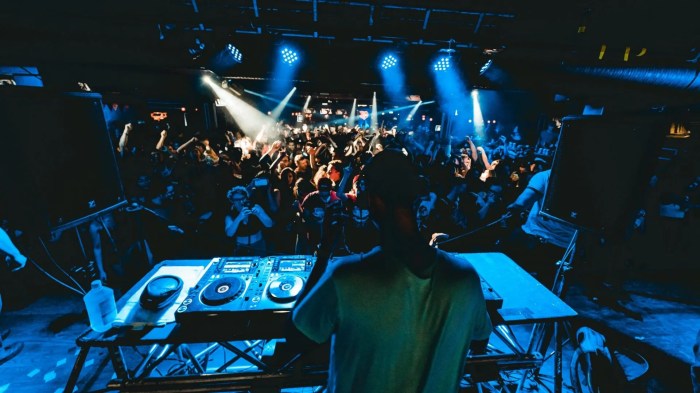
Defining a “top” city for live music nightlife requires a multifaceted approach, going beyond simply the number of venues. A truly top city offers a vibrant and diverse scene, appealing to a broad range of musical tastes and providing a consistently high-quality experience for both performers and audiences. This involves considering not only the quantity but also the caliber of venues, the variety of genres represented, the frequency and quality of live performances, and the overall atmosphere that contributes to the city’s unique musical identity.Factors contributing to a city’s ranking in live music nightlife are numerous and interconnected.
A comprehensive assessment necessitates a balanced consideration of venue quality, encompassing factors such as sound systems, stage size, and overall comfort; genre diversity, reflecting the range of musical styles available; event frequency, indicating the regularity of live performances; and overall atmosphere, which includes factors like accessibility, safety, and the general ambiance of the city’s music scene. Further, accessibility, encompassing ease of transportation to venues and ticket availability, affordability, considering ticket prices and the cost of living, and safety, including both personal safety and security within venues, are all crucial components.
Criteria for Ranking Cities for Live Music
Several different methodologies exist for ranking cities based on their live music scenes. Some focus primarily on the sheer number of venues, while others prioritize factors like genre diversity, the prominence of internationally renowned artists who perform there, or the critical acclaim received by local bands. A more nuanced approach, however, would incorporate a weighted scoring system that accounts for the multiple factors discussed above.
For example, a city might have a high number of venues but lack diversity in genres, or it might boast a thriving underground scene but lack easily accessible large-scale venues. A robust ranking system would need to account for these nuances.
Comparison of Different Ranking Approaches
One approach might simply count the number of music venues per capita, offering a straightforward measure of density. However, this overlooks crucial aspects such as the quality of those venues, the range of musical styles represented, and the overall experience for attendees. Another approach might survey musicians and music fans, gathering qualitative data on their experiences and perceptions of different cities’ music scenes.
This approach provides valuable insights into the subjective aspects of the experience, which purely quantitative methods might miss. A third approach could analyze online data such as ticket sales, social media mentions, and news articles about music events, providing a more data-driven and objective perspective. Ultimately, the “best” approach is likely a hybrid one, combining quantitative data with qualitative insights to provide a more complete picture.
Identifying Key Cities
Globally, numerous cities boast thriving live music scenes, but certain locations stand out for their consistent vibrancy, diverse offerings, and historical significance within the music industry. These cities attract both established and emerging artists, fostering a dynamic and ever-evolving musical landscape. The following selection represents a diverse range of musical styles and cultural contexts.
The selection criteria considered factors such as the number and variety of venues, the frequency of live performances, the prominence of local and international artists, and the overall cultural impact of the music scene on the city itself. This list is not exhaustive, and other cities certainly deserve recognition for their contributions to the global live music landscape.
Ten Globally Renowned Cities for Live Music
The following table details ten cities renowned for their exceptional live music scenes. Each entry provides key information on notable venues and defining musical genres, highlighting the unique character of each city’s musical offerings.
| City | Country | Notable Venues | Defining Genre(s) |
|---|---|---|---|
| New York City | USA | Madison Square Garden, The Apollo Theater, Brooklyn Steel, Bowery Ballroom | Jazz, Hip Hop, Rock, Pop, Indie |
| London | UK | O2 Arena, Wembley Stadium, Brixton Academy, The Roundhouse | Rock, Pop, Indie, Electronic, Metal |
| Nashville | USA | The Ryman Auditorium, The Bluebird Cafe, The Station Inn, Tootsie’s Orchid Lounge | Country, Bluegrass, Americana |
| Austin | USA | The Continental Club, The Cactus Cafe, ACL Live at the Moody Theater, Antone’s | Texas Blues, Country, Rock, Indie |
| Los Angeles | USA | The Hollywood Bowl, The Wiltern, The Roxy Theatre, The Troubadour | Rock, Pop, Hip Hop, Latin |
| Berlin | Germany | Berghain, SO36, Astra Kulturhaus, Watergate | Electronic, Techno, Indie, Punk |
| Tokyo | Japan | Liquidroom, Shibuya Club Quattro, Zepp Tokyo, Blue Note Tokyo | J-Pop, J-Rock, Electronic, Enka |
| Paris | France | Olympia, Le Bataclan, La Cigale, Casino de Paris | French Pop, Jazz, Electronic, World Music |
| Dublin | Ireland | 3Arena, Vicar Street, Olympia Theatre, Whelan’s | Irish Folk, Rock, Pop, Indie |
| Amsterdam | Netherlands | Paradiso, Melkweg, AFAS Live, De Helling | Electronic, Indie, Jazz, World Music |
Infographic: Geographical Distribution of Top Live Music Cities
The infographic would depict a world map, highlighting the ten cities listed above with appropriately sized circles or markers. The size of each marker could correlate with the city’s overall influence or the scale of its live music scene (perhaps based on the number of venues or annual concert attendance, although this data would require further research and is not included here).
The map’s color scheme would be visually appealing and easy to interpret. A legend would clearly explain the size-to-influence correlation. The overall design would be clean, modern, and easily understandable, conveying the geographical spread of these prominent live music hubs across various continents.
Exploring the Music Scene in Each City: Top Cities For Live Music Nightlife
The vibrant tapestry of global live music is woven from diverse threads, each city contributing its unique sonic character. This exploration delves into the heart of ten major cities renowned for their exceptional live music scenes, examining the dominant genres, iconic venues, and historical evolution that have shaped their distinctive musical identities. We will explore the rich history and current state of these cities’ musical landscapes.
Austin, Texas: A Blend of Genres and a Thriving Scene, Top cities for live music nightlife
Austin’s live music scene is legendary, boasting a diverse range of genres. From the soulful blues of Antone’s to the vibrant country sounds of the Continental Club, and the indie rock explosion at venues like the Mohawk, Austin offers something for every musical taste. The city’s history is deeply intertwined with its music, with artists like Stevie Ray Vaughan and Willie Nelson leaving indelible marks.
The annual South by Southwest (SXSW) festival further solidifies Austin’s position as a global music hub, attracting both established and emerging artists. The sheer number of venues, often found on every corner, showcases the city’s dedication to live music.
Nashville, Tennessee: The Heart of Country Music
Nashville, the undisputed “Music City,” is synonymous with country music. The Grand Ole Opry, a venerable institution, has hosted countless country legends for over 90 years, representing the city’s deep roots in the genre. However, Nashville’s scene extends beyond country, encompassing bluegrass, Americana, and even rock and pop. The Ryman Auditorium, known as the “Mother Church of Country Music,” continues to draw large crowds, and newer venues cater to a broader musical spectrum.
The city’s thriving songwriting community fuels its creative energy, shaping the sound of country music for decades.
New Orleans, Louisiana: The Birthplace of Jazz
New Orleans’s music scene is steeped in history, with jazz as its undeniable foundation. Preservation Hall, a legendary venue, has preserved the traditional sounds of New Orleans jazz for generations. However, the city’s musical tapestry is far richer, encompassing funk, R&B, blues, and zydeco. From Frenchmen Street’s vibrant clubs to the historic French Quarter’s outdoor performances, music permeates every corner of the city.
The city’s unique cultural heritage and its influence on numerous musical styles contribute to its lasting legacy.
New York City, New York: A Melting Pot of Musical Styles
New York City’s live music scene is as diverse and dynamic as the city itself. From the legendary rock clubs of the Village to the sophisticated jazz clubs of Greenwich Village, the city offers a vast array of musical experiences. Iconic venues like the Apollo Theater and Madison Square Garden have hosted countless musical giants throughout history. The city’s constant influx of artists and its role as a global cultural center contribute to its ever-evolving musical landscape.
The city’s history reflects the evolving musical trends of the 20th and 21st centuries.
Los Angeles, California: The Home of Hollywood and Diverse Sounds
Los Angeles’s music scene is deeply connected to the film and television industry, with many musicians finding their start in Hollywood. The city boasts a wide range of venues, from intimate clubs to large arenas. The Whisky a Go Go, a legendary rock club, has hosted countless iconic bands. While pop and rock are dominant, Los Angeles’s diverse population ensures a vibrant mix of genres, including Latin, hip-hop, and electronic music.
The city’s diverse population has fueled a vibrant and ever-changing musical landscape.
London, England: A Global Music Capital
London’s rich musical history is evident in its diverse range of venues, from historic pubs to modern concert halls. The O2 Arena, a massive venue, hosts major international acts. Smaller clubs in areas like Camden and Shoreditch cater to a wider range of genres, including indie rock, electronic music, and grime. The city’s history reflects the evolution of various musical styles, from the British Invasion to the emergence of new genres.
Berlin, Germany: A Hub for Electronic Music
Berlin’s music scene is globally renowned for its electronic music scene. Berghain, a legendary techno club, is internationally known for its immersive and experimental approach. However, the city also boasts a diverse range of other genres, from indie rock to jazz. The city’s post-reunification history and its artistic spirit have fostered a creative and experimental music scene.
Tokyo, Japan: A Blend of Traditional and Modern
Tokyo’s music scene is a fascinating blend of traditional Japanese music and contemporary styles. Live houses, small clubs, and larger venues host artists from a wide range of genres, including J-pop, J-rock, and electronic music. The city’s unique cultural identity and its technological advancements have shaped its musical landscape.
Paris, France: A City of Elegance and Musical Sophistication
Paris’s music scene reflects the city’s elegance and sophistication. From classic jazz clubs to modern concert halls, Paris offers a range of musical experiences. The Olympia, a legendary venue, has hosted countless iconic artists. While classical music and jazz are prominent, the city also embraces contemporary genres, contributing to a rich and diverse musical landscape.
Toronto, Canada: A Diverse and Growing Scene
Toronto’s live music scene is diverse and constantly evolving. The city boasts a range of venues, from intimate clubs to large arenas. The Horseshoe Tavern, a legendary venue, has played a significant role in the city’s musical history. The city’s multicultural population ensures a wide range of genres, including pop, rock, jazz, and world music, contributing to a vibrant and dynamic musical environment.
Ultimately, the allure of these top cities for live music nightlife extends beyond the sheer volume and variety of musical performances. It’s the fusion of music, culture, and urban exploration that creates an unforgettable experience. Whether it’s discovering hidden gems in a local bar, experiencing the architectural grandeur of a city’s skyline, or indulging in its unique culinary scene, these destinations offer a rich tapestry of experiences for every traveler.
The vibrant energy of these cities is a testament to the power of music to connect people and enrich lives.
Key Questions Answered
What is the average cost of a concert ticket in these cities?
Ticket prices vary greatly depending on the artist, venue, and demand, ranging from affordable to very expensive. Researching specific events is recommended.
Are these cities safe for solo travelers?
Safety levels vary across cities. It’s advisable to research specific neighborhoods and exercise standard precautions for solo travel in any unfamiliar city.
What are the best times of year to visit for the live music scene?
This depends on the city and the specific events. Festival seasons generally offer the most concentrated live music experiences, but many cities have consistent activity throughout the year.
What are some alternative activities besides live music?
Many of these cities offer diverse attractions beyond live music, including museums, historical sites, shopping districts, and various culinary experiences.


