
Best cities for shopping offer more than just retail therapy; they provide immersive experiences blending unique retail landscapes with captivating cityscapes. This exploration delves into the diverse factors that elevate a city’s shopping scene, from the sheer variety of stores and price ranges to the distinctive ambiance and cultural influences. We’ll uncover the hidden gems and renowned shopping districts across the globe, comparing and contrasting the offerings of iconic cities like New York, Paris, and Tokyo, while also highlighting lesser-known destinations with unique shopping niches.
Our journey will examine how architecture, local culture, and the integration of shopping with other urban activities contribute to the overall experience. We’ll consider different shopper demographics and preferences, crafting a guide that caters to a range of tastes and budgets. Ultimately, this guide aims to equip you with the knowledge to plan your next shopping adventure, whether you seek luxury brands, vintage finds, or simply a memorable urban experience.
Metro Adventures and Shopping Explorations: Best Cities For Shopping
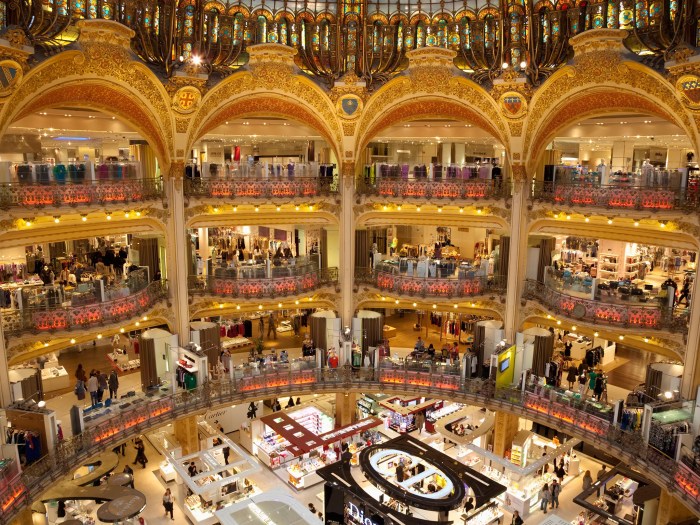
Unlocking a city’s hidden shopping treasures often involves venturing beyond the well-trodden tourist paths. Surprisingly, a city’s metro system can be a surprisingly effective tool for uncovering unique and exciting retail experiences, offering a blend of convenience and discovery. By strategically utilizing the metro, shoppers can access diverse neighborhoods and shopping districts that might otherwise be missed.Exploring a city’s metro system can lead to hidden shopping gems because each station serves as a gateway to a distinct area with its own character and retail offerings.
Stations located near bustling commercial centers will naturally provide access to high-street brands and department stores. Conversely, stations in more residential areas might reveal independent boutiques, local artisan shops, and smaller, family-run businesses offering unique and locally-sourced products. The diversity of the metro’s network mirrors the diversity of shopping experiences available.
Diverse Shopping Experiences Across Metro Lines, Best cities for shopping
Different metro lines and stations offer significantly different shopping experiences. For example, stations near university campuses often feature bookstores, trendy clothing stores catering to a younger demographic, and cafes popular with students. In contrast, stations situated in historical districts might be surrounded by antique shops, art galleries, and specialty stores selling traditional crafts. Similarly, stations in affluent neighborhoods may offer high-end boutiques and designer labels, while those in more working-class areas might feature discount stores, markets, and local businesses offering everyday goods at competitive prices.
The variety is truly remarkable and reflects the multifaceted nature of urban life.
A Sample Shopping Itinerary: A Metro-Based Shopping Adventure in New York City
Let’s imagine a shopping expedition using New York City’s subway system as an example. This itinerary focuses on diverse experiences, showcasing the potential of metro-based shopping.Starting at the 14th Street-Union Square station (4, 5, 6, L, N, Q, R, W trains), shoppers can explore Union Square Greenmarket for fresh produce and local goods. From there, a short walk to Broadway will lead to department stores like Macy’s.
Then, taking the uptown 6 train to 86th Street, shoppers can access the Upper East Side’s luxury boutiques along Madison Avenue. A transfer to the downtown 1 train at 59th Street-Columbus Circle allows access to the vibrant shops and department stores around Columbus Circle and Times Square. Finally, a ride downtown on the 1 train to Canal Street will expose shoppers to the unique and often bustling world of Canal Street’s diverse offerings.
This journey, entirely reliant on the subway, showcases the vast shopping possibilities accessible through the city’s extensive metro system. Each stop represents a distinct shopping environment, highlighting the power of strategic metro usage.
Skyscraper Destinations and High-End Shopping
The allure of luxury shopping often intertwines with the architectural grandeur of iconic skyscrapers. These towering structures, symbols of a city’s ambition and progress, frequently house exclusive boutiques and flagship stores, creating a unique and aspirational shopping experience. The combination of impressive architecture, unparalleled views, and curated retail selections elevates shopping from a simple transaction to a memorable event.The concentration of high-end retail within or near skyscraper complexes is a strategic decision driven by several factors, including the desire to attract affluent clientele, maximize brand visibility, and create a prestigious shopping environment.
The proximity to luxury hotels, corporate offices, and other high-value amenities further enhances the desirability of these locations.
Examples of Cities with Skyscraper-Centric High-End Shopping
Several global cities exemplify this trend. Dubai’s Downtown district, anchored by the Burj Khalifa, boasts a collection of luxury boutiques within the Dubai Mall, one of the world’s largest shopping malls. Similarly, New York City’s Midtown Manhattan, with its numerous skyscrapers, features iconic department stores like Saks Fifth Avenue and Bergdorf Goodman, alongside numerous high-end designer boutiques located within or adjacent to prominent buildings.
Shanghai’s Pudong district, home to the Shanghai Tower and other towering structures, is also a hub for luxury shopping, with many international brands establishing flagship stores in the area. These examples showcase the symbiotic relationship between skyscraper development and the concentration of luxury retail.
The Unique Appeal of Shopping in Skyscraper Settings
Shopping in a skyscraper setting offers a distinct experience. The architectural design itself, often featuring impressive atria, panoramic city views, and sophisticated interiors, contributes significantly to the overall atmosphere. The curated selection of luxury brands, often featuring flagship stores with unique designs and exclusive product offerings, further enhances the exclusivity. Beyond the shopping experience itself, the convenience of having multiple luxury options concentrated in one location, combined with access to other amenities such as fine dining and entertainment, contributes to the overall appeal.
The prestige associated with these locations also adds to the aspirational quality of the shopping experience. For many, it’s not just about acquiring goods; it’s about participating in a curated lifestyle experience.
Urban Parks and Green Spaces
Shopping can be a thrilling but tiring experience. The constant movement, decision-making, and sensory overload can leave even the most enthusiastic shopper needing a break. Fortunately, many cities are recognizing the value of integrating urban parks and green spaces into their shopping districts, offering welcome respites for weary shoppers and enhancing the overall shopping experience.Urban parks and green spaces provide vital opportunities for relaxation and rejuvenation during shopping excursions.
These oases of calm offer a welcome contrast to the bustling atmosphere of shopping malls and streets, allowing shoppers to de-stress, recharge, and regain their energy before continuing their retail adventures. The presence of greenery, fresh air, and open space contributes to a more pleasant and less overwhelming shopping experience. A brief escape to a park allows shoppers to disconnect from the commercial environment, improving their mood and focus, ultimately leading to more enjoyable and productive shopping.
Examples of City Planning Integrating Parks and Shopping
Many cities have successfully integrated parks and green spaces into their shopping districts, creating a symbiotic relationship that benefits both shoppers and the urban environment. For instance, New York City’s Central Park, while not directly within a major shopping district, is easily accessible and serves as a popular retreat for shoppers from nearby areas like Midtown Manhattan. Similarly, the High Line, a repurposed elevated railway line transformed into a linear park, runs alongside the trendy shopping areas of Chelsea and provides stunning city views alongside a tranquil environment.
In London, Regent’s Park is a short walk from Oxford Street, offering a green escape from the hustle and bustle of one of the world’s busiest shopping streets. These examples demonstrate how strategically placed green spaces can significantly enhance the shopping experience. The integration isn’t always about large, established parks; smaller pocket parks and green corridors woven into the urban fabric can also offer valuable respite.
Benefits of Incorporating Relaxation Areas into Shopping Itineraries
Incorporating designated relaxation areas into shopping itineraries offers several significant benefits. Firstly, it improves the overall shopping experience by reducing fatigue and stress, leading to increased enjoyment and potentially higher spending. Shoppers who feel refreshed and relaxed are more likely to spend more time browsing and making purchases. Secondly, it promotes a healthier lifestyle by encouraging physical activity and exposure to nature, which can counterbalance the sedentary nature of shopping.
A planned break in a park allows for a short walk, a moment of mindfulness, or simply a chance to sit and people-watch, offering a refreshing change of pace. Finally, it enhances the appeal of a shopping destination, making it more attractive to visitors and residents alike. Cities that prioritize the integration of green spaces into their commercial areas are often seen as more desirable and livable, attracting tourists and boosting local economies.
From the bustling streets of New York to the elegant boutiques of Paris and the technologically advanced retail spaces of Tokyo, the world’s best shopping cities offer a diverse and unforgettable experience. This exploration has highlighted the key factors contributing to a city’s shopping appeal, encompassing not only the variety and quality of retail offerings but also the overall ambiance, cultural context, and integration with other urban activities.
By understanding these elements, you can plan a shopping trip that perfectly aligns with your interests and preferences, transforming a simple shopping spree into a rich and rewarding travel adventure.
Clarifying Questions
What are the best times of year to visit major shopping cities?
The best time depends on the city and your priorities. Consider avoiding peak tourist seasons for better deals and less crowding, but be aware of potential sales periods or special events that might coincide with specific times of year.
How can I avoid tourist traps when shopping abroad?
Research beforehand! Read online reviews, explore local blogs and forums, and venture beyond the most heavily trafficked tourist areas to discover authentic and potentially less expensive options.
What currency exchange strategies should I use for shopping overseas?
Compare exchange rates at banks, airport kiosks, and currency exchange bureaus before you travel. Consider using a credit card with favorable foreign transaction fees, and be aware of potential fees associated with ATM withdrawals abroad.
How can I ensure my purchases are safe when traveling and shopping internationally?
Keep valuables secure, use reputable stores and vendors, obtain receipts for all purchases, and consider travel insurance that covers lost or stolen items.


