
Best city travel apps for tourists are revolutionizing how we explore urban landscapes. No longer are we reliant on bulky guidebooks and unreliable paper maps; instead, we have a wealth of digital tools at our fingertips, offering seamless navigation, real-time information, and effortless booking capabilities. This guide delves into the best apps available, comparing their features, user experiences, and overall value to help you choose the perfect companion for your next city adventure.
We’ll explore the apps’ strengths and weaknesses, ensuring you select the one that best fits your travel style and needs.
Best City Travel Apps
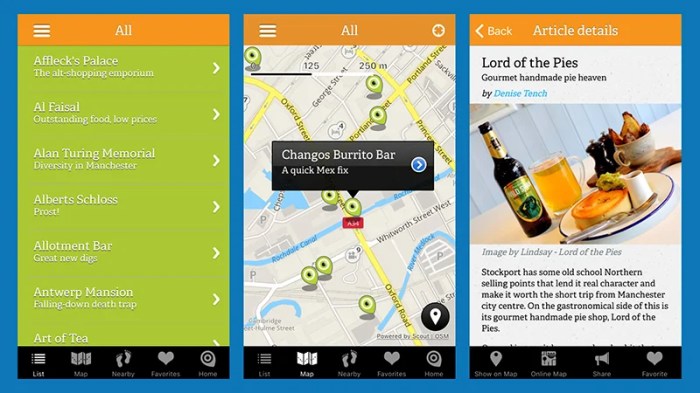
Navigating a new city can be overwhelming, but the right travel app can transform the experience from stressful to seamless. This section compares five leading city travel apps, analyzing their features, user interfaces, and overall effectiveness to help you choose the best fit for your travel style.
Best City Travel Apps: Feature Comparison
The following table compares five popular city travel apps across key features. These features were selected based on their importance to the typical tourist experience.
| App Name | Navigation | Public Transport Info | Offline Maps | Booking Capabilities |
|---|---|---|---|---|
| Citymapper | Excellent real-time navigation with various transport options; walking, cycling, and public transit directions are clearly presented. | Comprehensive and accurate real-time data for buses, trains, subways, etc., including potential delays. | Limited offline map functionality; primarily relies on online connectivity. | Integrates with ride-sharing services and provides links to external booking platforms for other transportation. |
| Google Maps | Robust and widely used, offering walking, driving, cycling, and public transit directions. | Provides real-time public transport information, though coverage varies by city. | Offers downloadable offline maps for specific areas, useful for areas with limited connectivity. | Integrates with ride-sharing services and allows users to make reservations at some businesses. |
| Moovit | Specifically designed for public transit navigation, providing detailed routes and real-time updates. | Excellent real-time data for buses, trains, subways, and other public transport options, with service alerts and disruptions. | Provides offline maps for navigation, although functionality might be limited without an internet connection. | Limited booking capabilities; mainly focuses on public transport navigation. |
| Rome2rio | Focuses on multi-modal travel planning, suggesting optimal routes using various transport modes. | Offers information on various public transport options, but real-time data might not be as comprehensive as other apps. | Offline map capabilities are limited; primarily relies on online connectivity for navigation. | Provides links to external booking platforms for trains, buses, and flights. |
| Transit App | Similar to Moovit, specializing in public transport navigation with real-time updates. | Provides real-time information on buses, trains, subways, and other transit options, including service alerts. | Offers offline maps for navigation, enabling continued use even without internet access. | Limited booking capabilities; its main strength lies in public transport information and navigation. |
User Interface and User Experience
Each app offers a unique user interface and experience. Citymapper, for example, features a clean and intuitive interface with vibrant colors, making navigation straightforward. Google Maps, while familiar to many, can sometimes feel cluttered with numerous options. Moovit prioritizes simplicity and ease of use for public transport users, whereas Rome2rio excels in presenting multiple travel options but can feel less streamlined.
The Transit app provides a clean and user-friendly interface, focusing on public transit. The overall user experience is subjective and depends on individual preferences and familiarity with the app’s features.
Strengths and Weaknesses of Each App
Citymapper’s strength lies in its detailed and accurate real-time information, particularly for public transport. However, its offline capabilities are limited. Google Maps boasts widespread availability and comprehensive features, but can be overwhelming for users unfamiliar with its interface. Moovit’s focus on public transport simplifies navigation for users who rely primarily on this mode of transport; however, its booking capabilities are limited.
Rome2rio excels in planning multi-modal journeys but may lack the real-time accuracy of other apps. The Transit app offers a strong balance of features and ease of use, particularly for public transport users, but may not be as feature-rich as Google Maps. Ultimately, the best app depends on individual needs and priorities.
Top Urban Destinations
Exploring the world’s vibrant cities offers a unique blend of history, culture, and modern life. This guide highlights ten exceptional urban destinations, categorized by region, providing a glimpse into their unique attractions and suggesting short itineraries for a memorable three-day trip. Each destination offers a distinct experience, from historical landmarks to bustling markets and modern marvels.
Top Urban Destinations by Region
Below is a list of ten top urban destinations categorized by region, each offering a unique cultural and historical experience. The selection considers factors like global appeal, cultural significance, and accessibility for tourists.
- Europe: Paris, France: Known for its iconic Eiffel Tower, Louvre Museum, and charming streets, Paris offers a blend of romance, art, and history. Its rich cultural heritage is evident in its architecture, museums, and culinary scene.
- Europe: Rome, Italy: Rome, the eternal city, boasts ancient ruins like the Colosseum and Roman Forum, alongside stunning Vatican City and the Trevi Fountain. Its history stretches back millennia, making it a living museum.
- Asia: Tokyo, Japan: A vibrant metropolis blending tradition and modernity, Tokyo offers cutting-edge technology, ancient temples, bustling markets, and world-class cuisine. Its unique blend of old and new is captivating.
- Asia: Bangkok, Thailand: Bangkok is a city of shimmering temples, bustling markets, and vibrant nightlife. Its rich culture is evident in its ornate temples, delicious street food, and friendly locals.
- North America: New York City, USA: A global center for finance, culture, and entertainment, New York City offers iconic landmarks like the Empire State Building and Statue of Liberty, alongside world-class museums and Broadway shows.
- North America: San Francisco, USA: Known for its iconic Golden Gate Bridge, diverse neighborhoods, and vibrant tech scene, San Francisco offers stunning views, diverse cultures, and a laid-back atmosphere.
- South America: Buenos Aires, Argentina: Buenos Aires is a city of passionate tango dancers, stunning architecture, and vibrant nightlife. Its European-influenced culture and passionate spirit make it a unique destination.
- Africa: Cape Town, South Africa: Cape Town boasts stunning natural beauty, with Table Mountain overlooking the city and the vibrant V&A Waterfront. Its diverse culture and history make it a captivating destination.
- Oceania: Sydney, Australia: Sydney is famous for its iconic Opera House and Harbour Bridge, stunning beaches, and vibrant city life. Its natural beauty and cosmopolitan atmosphere are equally appealing.
- Middle East: Dubai, UAE: Dubai is a city of futuristic architecture, luxurious shopping, and stunning desert landscapes. Its rapid development and blend of modern and traditional elements make it a unique destination.
Three-Day Itineraries
Below are suggested three-day itineraries for each of the aforementioned cities. These itineraries focus on key attractions and provide a balance between sightseeing and cultural immersion. Note that these are suggestions, and individual preferences should guide final plans.
- Paris: Day 1: Eiffel Tower, Louvre Museum; Day 2: Notre Dame Cathedral, Montmartre; Day 3: Palace of Versailles, Seine River Cruise.
- Rome: Day 1: Colosseum, Roman Forum; Day 2: Vatican City (St. Peter’s Basilica, Vatican Museums); Day 3: Trevi Fountain, Pantheon, Spanish Steps.
- Tokyo: Day 1: Sensō-ji Temple, Shibuya Crossing; Day 2: Imperial Palace, Meiji Jingu Shrine; Day 3: Tsukiji Fish Market (outer market), Ueno Park.
- Bangkok: Day 1: Grand Palace, Wat Pho (Reclining Buddha); Day 2: Wat Arun (Temple of Dawn), Chatuchak Weekend Market; Day 3: Explore canals (khlongs), enjoy street food.
- New York City: Day 1: Statue of Liberty, Ellis Island; Day 2: Empire State Building, Times Square; Day 3: Metropolitan Museum of Art, Central Park.
- San Francisco: Day 1: Golden Gate Bridge, Alcatraz Island; Day 2: Fisherman’s Wharf, Lombard Street; Day 3: Golden Gate Park, explore different neighborhoods.
- Buenos Aires: Day 1: Plaza de Mayo, Recoleta Cemetery; Day 2: Explore La Boca, tango show; Day 3: Visit San Telmo Market, enjoy the city’s cafes.
- Cape Town: Day 1: Table Mountain, V&A Waterfront; Day 2: Cape Point, explore beaches; Day 3: Robben Island, explore city neighborhoods.
- Sydney: Day 1: Sydney Opera House, Harbour Bridge; Day 2: Bondi Beach, explore the Royal Botanic Garden; Day 3: Sydney Tower Eye, explore Darling Harbour.
- Dubai: Day 1: Burj Khalifa, Dubai Mall; Day 2: Palm Jumeirah, explore the souks; Day 3: Desert safari, visit the Jumeirah Mosque.
Shopping Travel Guides: Best City Travel Apps For Tourists
Retail therapy is a vital part of many travel experiences, offering a unique window into a city’s culture and character. From high-end boutiques to bustling street markets, the shopping landscape of a city can be as diverse and captivating as its historical landmarks. This guide explores three distinct cities, each offering a unique shopping adventure.
Luxury Shopping in Paris, France
Paris is synonymous with luxury. The city’s reputation for haute couture and high-end design attracts shoppers from around the globe. The shopping experience here is as much about the ambiance as it is the products themselves; expect elegant boutiques, impeccable service, and a sophisticated atmosphere.
- Avenue des Champs-Élysées: This iconic avenue is home to flagship stores of major luxury brands such as Chanel, Dior, and Louis Vuitton. The street itself is a spectacle, with its grand architecture and lively atmosphere.
- Galeries Lafayette and Printemps: These iconic department stores offer a curated selection of luxury goods, along with stunning architecture and panoramic views from their rooftop terraces. They provide a comprehensive shopping experience under one roof.
- Le Marais: While known for its vintage and independent boutiques, Le Marais also houses high-end designer showrooms and art galleries, offering a unique blend of luxury and artistic expression. This district provides a more intimate and less crowded luxury shopping experience.
Vintage Shopping in London, England
London’s vintage scene is legendary, offering a treasure trove of pre-owned clothing, accessories, and antiques. The city’s diverse neighborhoods boast a wide range of vintage shops, from small, independent boutiques to large, multi-floor emporiums. The experience is one of discovery, unearthing unique and stylish pieces with a story to tell.
- Portobello Road Market: This famous market offers a vibrant mix of vintage clothing, antiques, and collectibles. The atmosphere is bustling and energetic, with a diverse range of vendors and shoppers.
- Brick Lane Market: Known for its trendy vintage clothing and street food, Brick Lane provides a more eclectic and youthful shopping experience. It’s a great place to find unique and affordable vintage finds.
- Shoreditch: This trendy East London neighborhood is packed with independent vintage boutiques, offering curated selections of high-quality vintage clothing and accessories. Shoreditch’s creative energy permeates the shopping experience.
Street Market Shopping in Bangkok, Thailand
Bangkok’s street markets are a sensory explosion, offering a vibrant mix of clothing, food, souvenirs, and more. The atmosphere is energetic and chaotic, with a constant buzz of activity. Bargaining is expected and part of the fun, adding to the unique and immersive experience.
- Chatuchak Weekend Market: This enormous market is one of the world’s largest, offering an almost overwhelming variety of goods. It’s a great place to find everything from clothing and souvenirs to antiques and artwork. Expect large crowds and a very lively atmosphere.
- Asiatique The Riverfront: This night market offers a more curated and organized shopping experience compared to Chatuchak, with a mix of street food stalls, boutiques, and live entertainment. It’s a great place to enjoy the night market atmosphere in a slightly more relaxed setting.
- Iconsiam: While not strictly a street market, Iconsiam offers a unique blend of luxury shopping and traditional Thai culture, with many high-end brands interspersed with smaller artisan shops and street food stalls. It’s a more modern and upscale take on the traditional Bangkok shopping experience.
Urban Architecture Tours
Exploring the architectural landscape of a city offers a unique perspective on its history, culture, and evolution. A visual journey through different architectural styles reveals the diverse influences and artistic expressions that have shaped urban spaces over time. This section will highlight three prominent architectural styles, showcasing iconic examples and providing a virtual tour of a selected city’s architectural gems.
Art Deco Architecture
Art Deco, flourishing in the 1920s and 30s, is characterized by streamlined, geometric forms, opulent ornamentation, and a blend of modern and traditional elements. Its influence is visible in buildings across the globe, often showcasing a sense of glamour and sophistication.
Iconic examples of Art Deco architecture include the Chrysler Building in New York City, a towering skyscraper with its distinctive spire and stainless steel ornamentation; the Eastern Columbia Building in Los Angeles, known for its vibrant terracotta facade and intricate detailing; and the Electra House in London, a striking example of Art Deco’s influence on commercial buildings. These structures exemplify the style’s emphasis on bold geometry, rich materials, and a sense of dynamic energy.
Gothic Architecture
Gothic architecture, prevalent from the 12th to the 16th centuries, is defined by its pointed arches, ribbed vaults, flying buttresses, and elaborate stained-glass windows. These elements allowed for the construction of taller, lighter, and more spacious structures than previously possible, leading to the creation of magnificent cathedrals and other religious buildings.
Examples of Gothic masterpieces include Notre Dame Cathedral in Paris, a globally recognized symbol of French Gothic architecture, renowned for its intricate facade, rose windows, and soaring spires; Cologne Cathedral in Germany, one of the largest Gothic cathedrals in the world, showcasing impressive scale and architectural complexity; and York Minster in England, known for its extensive stained-glass collection and intricate stonework.
These structures represent the pinnacle of medieval architectural achievement.
Modern Architecture, Best city travel apps for tourists
Modern architecture, emerging in the early 20th century, emphasizes functionality, simplicity, and clean lines. It often features open floor plans, large windows, and the use of new materials such as steel and concrete. This style represents a break from ornate historical styles, focusing instead on rational design and efficient use of space.
Iconic examples of Modern architecture include the Bauhaus Building in Dessau, Germany, a seminal work of the Bauhaus movement, showcasing its principles of functionalism and minimalist design; the Fallingwater house in Pennsylvania, designed by Frank Lloyd Wright, seamlessly integrating the building with its natural surroundings; and the Seagram Building in New York City, a classic example of International Style modernism, known for its elegant simplicity and use of glass and steel.
These buildings demonstrate the movement’s focus on clean lines, functionality, and a harmonious relationship between architecture and its environment.
Virtual Tour: Art Deco Architecture in Miami Beach
Miami Beach boasts a remarkable collection of Art Deco buildings, reflecting the city’s vibrant history and its embrace of this glamorous architectural style. A virtual tour could begin at the iconic Colony Hotel, a pastel-colored masterpiece with its streamlined facade and decorative elements. From there, a stroll along Ocean Drive would reveal a stunning array of Art Deco hotels and shops, each with its unique character.
The pastel-colored facades, geometric patterns, and nautical motifs evoke the era’s glamour and optimism. The tour could then continue to the Art Deco Welcome Center, providing historical context and insights into the preservation efforts that have protected this architectural treasure. Finally, a visit to the Versace Mansion, a striking example of Italian Renaissance revival combined with Art Deco elements, would offer a unique blend of styles.
Each building’s history, design features, and the social context of their creation would be described, enriching the visual experience and providing a deeper understanding of Miami Beach’s architectural heritage.
Navigating a new city has never been easier, thanks to the incredible advancements in city travel apps. From finding the best street food to booking accommodations and navigating public transport, these apps streamline your journey, allowing you to focus on experiencing the unique culture and atmosphere of each destination. By carefully considering the features and functionality of each app, and selecting the one that best suits your needs, you can transform your urban exploration into a truly memorable and efficient experience.
Remember to check reviews and compare features before your trip to ensure a smooth and enjoyable journey.
Q&A
What if I don’t have internet access?
Many apps allow you to download maps and information offline, ensuring you can still navigate even without a data connection. Check the app’s features before your trip.
Are these apps safe to use?
Reputable apps from well-known developers generally prioritize user security. However, always be mindful of the information you share and use strong passwords.
How much do these apps cost?
Some apps are free with optional in-app purchases, while others offer premium subscriptions for added features. Pricing varies; check the app store for details.
Can I use these apps for multiple cities?
Most apps cover a wide range of cities globally, though the depth of information may vary depending on the location.


