
Street food markets in the Middle East offer a vibrant tapestry of culinary traditions, social interactions, and economic activity. These bustling hubs are more than just places to eat; they are integral to the cultural fabric of the region, reflecting the diverse histories and influences that have shaped Middle Eastern societies. From the bustling souks of Marrakech to the vibrant street stalls of Beirut, these markets offer a sensory feast, engaging all five senses with a kaleidoscope of sights, sounds, smells, tastes, and textures.
This exploration delves into the geographic distribution of these markets, highlighting the unique characteristics of street food in different regions, from North Africa to the Arabian Peninsula. We’ll examine the popular dishes, their ingredients and cultural significance, and the important role these markets play in the local economies and tourism sectors. Finally, we will compare Middle Eastern street food markets with similar markets globally, emphasizing their unique character and contribution to the wider culinary landscape.
Cultural Significance of Street Food Markets
Street food markets in the Middle East are far more than just places to grab a quick and tasty bite; they are vibrant hubs of social interaction, cultural preservation, and community life, deeply woven into the fabric of daily existence. These markets represent a confluence of history, tradition, and modern life, offering a unique window into the region’s rich cultural heritage.Street food markets significantly contribute to the social and cultural cohesion of Middle Eastern communities.
They serve as informal gathering places, fostering a sense of belonging and shared experience. The lively atmosphere, the aromas of diverse spices, and the sounds of bustling activity create a dynamic environment where people from all walks of life can connect and interact. These spaces transcend socioeconomic boundaries, bringing together families, friends, and even strangers in a shared appreciation for food and community.
The act of sharing a meal, a common thread across many Middle Eastern cultures, is amplified within these markets, strengthening social bonds and fostering a sense of collective identity.
Community Life and Social Interaction in Street Food Markets
The daily rhythm of a Middle Eastern street food market reflects the pulse of the community. From the early morning preparations, where vendors meticulously arrange their wares and the air fills with the tantalizing scents of grilling meats and simmering stews, to the late-night crowds enjoying a final shawarma or falafel, the market is a constant source of activity and interaction.
Families gather for evening meals, friends meet for casual conversations over steaming cups of tea and freshly baked bread, and neighbours exchange news and gossip amidst the vibrant chaos. The market’s social function extends beyond simple transactions; it’s a place where relationships are nurtured, community ties are strengthened, and a sense of belonging is fostered. The informal nature of the setting encourages spontaneous interactions, fostering a sense of community spirit that is often lacking in more formal settings.
Cultural Preservation Through Street Food Traditions
Middle Eastern street food markets act as living repositories of culinary traditions, passed down through generations. Each dish tells a story, reflecting the region’s diverse history and cultural influences. From the age-old recipes for hummus and falafel to the more modern adaptations of international cuisines, the markets showcase the region’s culinary creativity and adaptability. The vendors themselves are often the keepers of these traditions, meticulously following family recipes and sharing their knowledge with younger generations.
The vibrant displays of spices, herbs, and fresh produce further contribute to the preservation of culinary heritage, highlighting the importance of local ingredients and traditional preparation methods. The market becomes a dynamic space where culinary history and contemporary tastes converge, ensuring the continuation of cherished food traditions for years to come.
A Day at a Bustling Middle Eastern Street Food Market
Imagine a sun-drenched morning in Marrakech. The Djemaa el-Fna square is slowly awakening, the air already thick with the aroma of roasting spices and sizzling meats. Vendors arrive, setting up their stalls with colourful displays of fresh produce, fragrant herbs, and mountains of glistening pastries. The sounds of rhythmic chopping and sizzling oil blend with the lively chatter of vendors and early-morning customers.
As the sun climbs higher, the square fills with people – families enjoying a leisurely breakfast of tagine and mint tea, students grabbing a quick bite between classes, and tourists marveling at the vibrant scene. The air hums with energy, a symphony of sights, sounds, and smells that capture the essence of Moroccan culture. Later in the day, the focus shifts to lunch, with long queues forming in front of popular stalls serving shawarma, couscous, and other local delicacies.
As evening approaches, the square transforms into a lively spectacle, with storytellers, musicians, and snake charmers adding to the already vibrant atmosphere. Families gather, sharing meals and enjoying the lively entertainment, their laughter echoing through the square. The day culminates in a spectacular display of lights and sounds, a testament to the enduring cultural significance of this bustling street food market.
Economic Impact of Street Food Markets
Street food markets in the Middle East represent a significant and often overlooked contributor to the region’s economies. They provide a vital source of income for numerous individuals and families, stimulate local economies, and contribute significantly to the overall vibrancy of urban centers. Their economic impact extends beyond simple transactions, influencing employment, entrepreneurship, and the overall economic well-being of communities.Street food markets generate substantial economic activity through direct sales and related businesses.
The markets themselves act as hubs, attracting customers and creating a dynamic environment that supports numerous ancillary businesses, such as ingredient suppliers, equipment providers, and waste management services. The cumulative effect of these transactions creates a considerable economic ripple effect, benefiting a wide range of individuals and businesses within the local community.
Employment Opportunities in Street Food Markets
Street food markets are a significant source of employment, particularly for individuals with limited access to formal employment opportunities. These markets provide a relatively low-barrier entry point for entrepreneurship, enabling individuals to start small businesses with minimal capital investment. The diverse range of roles within the market, from food preparation and sales to cleaning and security, creates employment opportunities across various skill levels.
This includes opportunities for both skilled and unskilled workers, contributing to a more inclusive economic landscape. The informal nature of many street food operations also offers flexibility, making it an attractive option for individuals with other commitments, such as family responsibilities or part-time studies.
Successful Street Food Businesses in the Middle East, Street food markets in the Middle East
Several street food businesses in the Middle East have achieved remarkable success, demonstrating the potential for significant economic growth within this sector. One example is the widespread popularity of falafel stands, which often operate as family-run businesses, passing down recipes and techniques through generations. Their success is built upon a foundation of consistently high-quality, affordable food, coupled with efficient operations and a strong understanding of their target market.
Other examples include businesses specializing in shawarma, kebabs, and other regional delicacies, which have expanded their operations to include multiple locations or even franchising models, demonstrating the scalability and profitability of these ventures. These successful businesses often employ sophisticated marketing strategies, utilizing social media and word-of-mouth marketing to reach a wide customer base, demonstrating adaptability and innovation within the industry.
Their strategies highlight the potential for significant economic returns through effective business management and targeted marketing efforts.
Street Food Markets and Tourism
Street food markets in the Middle East play a significant role in attracting tourists and enhancing their overall travel experience. These vibrant hubs offer a unique blend of culinary delights, cultural immersion, and social interaction, making them an essential component of any Middle Eastern itinerary. Their appeal extends beyond simply satisfying hunger; they provide an authentic glimpse into the region’s rich heritage and daily life.Street food markets contribute significantly to the tourism sector by providing memorable and engaging experiences.
They offer a diverse range of affordable and readily available food options, catering to a wide range of tastes and budgets. The lively atmosphere, the interaction with local vendors, and the opportunity to sample unique dishes contribute to a richer and more authentic travel experience than many traditional tourist restaurants. Furthermore, these markets often act as focal points for other tourist activities, situated near historical sites or within bustling city centers.
Street Food Markets as Tourist Attractions
The allure of Middle Eastern street food markets for tourists stems from several key factors. Firstly, the sheer variety of food available is a major draw. From falafel and shawarma to kebabs and exotic sweets, there’s something to tempt every palate. Secondly, the markets themselves are often visually stunning, bustling with activity and vibrant colors. The sights, sounds, and smells create a sensory feast that engages all the senses, adding to the overall enjoyment.
Finally, the affordability of street food makes it accessible to a wide range of tourists, allowing them to sample local cuisine without breaking the bank. The interaction with local vendors also adds a personal touch, offering opportunities to learn about the food, its origins, and the culture surrounding it.
A Middle Eastern Street Food Itinerary
This itinerary focuses on three major Middle Eastern cities, highlighting their unique street food offerings.
Cairo, Egypt: A day exploring Cairo’s street food scene could begin in the Khan el-Khalili bazaar, a historic market brimming with vendors selling everything from koshari (a national dish of rice, lentils, and chickpeas) to ful medames (fava beans). Afternoon could be spent exploring the streets near Tahrir Square, sampling freshly squeezed juices and various pastries. The evening might culminate in a visit to a local restaurant specializing in grilled meats, experiencing the vibrant nightlife alongside the culinary delights.
Istanbul, Turkey: A journey through Istanbul’s street food culture could start with a visit to the Spice Bazaar, where the aromatic spices and the sights alone are a feast for the senses. Afterwards, explore the Taksim Square area, sampling delicious Turkish delights, simit (sesame bread rings), and döner kebab. A visit to a local “lokantası” (small restaurant) for a traditional Turkish meal would provide a more substantial culinary experience in the evening.
Beirut, Lebanon: Beirut’s street food scene is renowned for its mezze culture. A culinary exploration could begin in the Gemmayzeh district, known for its vibrant nightlife and numerous street food vendors. Here, one could sample a wide array of mezze dishes, from hummus and baba ghanoush to falafel and tabbouleh. The afternoon could be spent exploring the city’s souks (markets), sampling fresh fruits and pastries.
The evening could offer a chance to enjoy a more formal Lebanese dinner, allowing a comparison between street food and restaurant-style cuisine.
Top Urban Destinations Related to Street Food
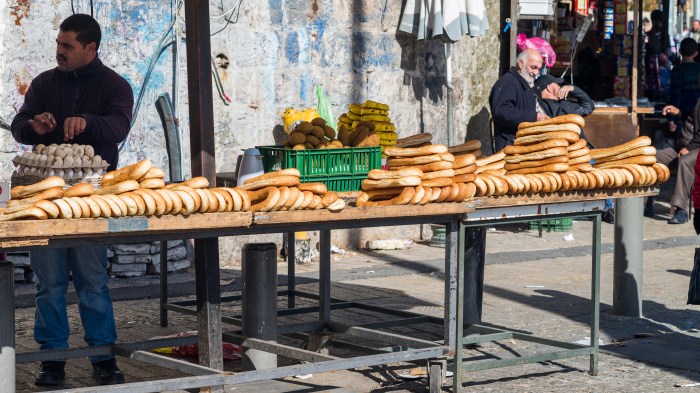
The Middle East boasts a rich culinary heritage, and a significant part of this is reflected in its vibrant street food culture. Exploring these bustling markets offers a unique opportunity to experience the region’s diverse flavors and traditions firsthand. From the fragrant spices to the bustling atmosphere, street food markets are a vital part of the Middle Eastern urban landscape.
The following cities represent some of the best places to delve into this culinary adventure.
Top Five Middle Eastern Cities for Street Food
The selection of these five cities is based on a combination of factors including the density and variety of street food vendors, the historical significance of their food markets, and the overall reputation for high-quality and authentic culinary experiences. These cities represent a compelling cross-section of the region’s culinary diversity.
| City | Market Name | Specialties |
|---|---|---|
| Cairo, Egypt | Khan el-Khalili | Kushari (a mix of rice, lentils, macaroni, and tomato sauce), ful medames (fava beans), koshary, various grilled meats, and fresh juices. The market itself is a historic bazaar, adding to the experience. |
| Istanbul, Turkey | Balat and Fener | Simit (sesame bread rings), Turkish delight, street-grilled meats like kebabs and kumpir (baked potatoes with various toppings), and fresh seafood. These neighborhoods offer a mix of traditional and modern street food options. |
| Beirut, Lebanon | Various locations throughout the city | Manakeesh (flatbread with various toppings), falafel, shawarma, and a wide variety of mezze (small plates). Beirut’s street food is renowned for its freshness and high quality, often found in smaller stalls and shops scattered throughout the city rather than a single large market. |
| Jerusalem, Israel/Palestine | Mahane Yehuda Market | Hummus, falafel, shawarma, fresh pita bread, and a variety of olives and cheeses. This market offers a vibrant mix of Israeli and Palestinian cuisine, reflecting the city’s diverse cultural heritage. |
| Dubai, UAE | Al Karama | Shawarma, falafel, biryani, and a wide array of international street food options reflecting the city’s cosmopolitan nature. Al Karama is known for its affordable and diverse street food scene. |
Comparing Middle Eastern Street Food Markets to Other Global Markets
Middle Eastern street food markets, vibrant hubs of culinary activity and social interaction, share similarities with, yet also differ significantly from, their counterparts in Asia and Latin America. These differences and similarities stem from unique cultural histories, ingredient availability, and economic contexts. A comparative analysis reveals fascinating insights into the global phenomenon of street food and its diverse expressions.Street food markets across the globe, while diverse, share a common thread: they offer affordable, readily available food in a communal setting.
However, the specific offerings, cultural significance, and economic impact vary considerably depending on the region.
Food Offerings: A Culinary Comparison
Middle Eastern street food markets are characterized by dishes heavily influenced by Mediterranean and Middle Eastern cuisine. Common offerings include shawarma (thinly sliced marinated meat cooked on a rotating spit), falafel (deep-fried chickpea patties), hummus (a dip made from chickpeas, tahini, lemon juice, and garlic), and various kebabs. These dishes often feature lamb, chicken, or beef, alongside an abundance of fresh vegetables, herbs, and spices like cumin, coriander, and turmeric.
In contrast, Asian street food markets, particularly in Southeast Asia, showcase a wider array of cuisines, reflecting the region’s diverse cultures. Dishes might include Pad Thai (stir-fried rice noodles with shrimp or chicken), pho (a Vietnamese noodle soup), or various curries and noodle dishes. Latin American street food, meanwhile, is characterized by dishes like tacos, empanadas, arepas (corn cakes), and ceviche (marinated raw fish).
These reflect the region’s indigenous ingredients and Spanish colonial influence. The use of corn, beans, and chili peppers is particularly prevalent.
Cultural Significance: Shared Spaces, Different Traditions
Street food markets in all three regions play a significant role in the daily lives of their communities. They are often gathering places, social hubs where people from all walks of life come together. In the Middle East, street food markets are deeply embedded in the cultural fabric, reflecting historical trade routes and culinary traditions passed down through generations.
Similarly, in Asia, street food markets are often associated with specific cultural events or celebrations, and they represent a dynamic interplay of tradition and modernity. Latin American street food markets, too, hold cultural significance, often reflecting local customs and family recipes passed down through generations. However, the specific traditions and social dynamics associated with these markets differ based on the unique cultural contexts.
For example, the communal aspect of sharing food might be more emphasized in some cultures than others.
Economic Impact: Livelihoods and Local Economies
Street food markets provide significant economic opportunities in all three regions. They are often the primary source of income for many vendors and families. In the Middle East, as in Asia and Latin America, these markets contribute substantially to local economies, generating employment and supporting small businesses. However, the economic impact can vary based on factors like market size, regulation, and tourism.
For instance, markets in major tourist destinations might generate more revenue than those in smaller, less-visited areas. Furthermore, the level of formalization and regulation of these markets can significantly affect their economic contribution. Well-regulated markets with established infrastructure and sanitation standards are likely to have a greater positive economic impact.
Visual Representation of Middle Eastern Street Food Markets
Stepping into a Middle Eastern street food market is an assault on the senses in the most delightful way. It’s a vibrant tapestry woven from sights, sounds, and smells, a sensory experience unlike any other. The sheer energy of the place is palpable, a whirlwind of activity that captivates and enthralls.The air hangs thick with the intoxicating aromas of spices.
The scent of sizzling meats, grilling kebabs, and freshly baked bread mingles with the fragrant perfume of exotic herbs and fruits. A symphony of smells, each vying for attention, creates an olfactory landscape that is both complex and alluring. Sweet notes of dates and honey intertwine with the savory tang of roasted nuts and pungent spices like cumin and turmeric.
This rich aromatic tapestry is a crucial element in the market’s unique atmosphere.
A Kaleidoscope of Colors and Textures
The visual spectacle is equally impressive. Brightly colored fabrics drape from stalls overflowing with produce: deep crimson pomegranates, vibrant orange carrots, and emerald green herbs. Mountains of glistening olives, plump figs, and juicy tomatoes are piled high, creating a riot of color and texture. The stalls themselves are a fascinating mix of rustic wooden structures and brightly painted metal carts, each displaying its wares with pride.
Stacks of intricately patterned plates and gleaming copper cookware add to the visual feast, reflecting the sunlight in a dazzling display. The food itself is a visual delight, with skewers of glistening kebabs, mounds of fragrant rice, and trays of colorful pastries creating a vibrant tableau. Even the hands of the vendors, stained with the spices and juices of their culinary creations, become part of the overall visual narrative.
The scene is dynamic and constantly shifting, a mesmerizing dance of people and products.
The Soundscape of a Bustling Market
The sounds of the market are as captivating as the sights and smells. The rhythmic clang of a blacksmith’s hammer, the cheerful chatter of vendors hawking their wares, the sizzle of food cooking on open flames, and the animated conversations of patrons create a lively and engaging soundscape. The rhythmic chopping of vegetables, the clatter of dishes, and the occasional burst of laughter all contribute to the market’s vibrant ambiance.
The calls of street vendors, often melodic and rhythmic, are a key part of this soundscape, advertising their unique offerings and adding to the overall energy of the place. The overall effect is a vibrant and chaotic symphony, a testament to the lively heart of the market.
Urban Destinations and Related Topics: Street Food Markets In The Middle East
Street food markets are rarely isolated entities; they thrive as integral parts of a city’s vibrant tapestry, interwoven with nightlife, shopping districts, and architectural landmarks. Their presence significantly enhances the overall urban experience, offering a unique blend of cultural immersion, culinary adventure, and social interaction. This section explores the multifaceted connections between Middle Eastern street food markets and other aspects of urban life.The synergy between street food markets and other urban features creates a richer and more memorable experience for residents and tourists alike.
The convenience and accessibility of these markets, often located in central areas, naturally draw people into the heart of the city’s activity. This naturally leads to interactions with other urban elements, fostering a dynamic and engaging environment.
Street Food Markets and Nightlife
Street food markets often extend their operating hours into the evening, seamlessly blending into a city’s nightlife scene. The lively atmosphere, the aroma of delicious food, and the vibrant social interactions create a natural draw for those seeking an evening out. For example, the bustling night markets in Marrakech, Morocco, offer a captivating blend of food stalls, live music, and artisan crafts, transforming the city into a vibrant nocturnal hub.
The energy and excitement of the market contribute directly to the overall appeal of the city’s nightlife.
Street Food Markets and Shopping Travel Guides
Many popular shopping travel guides prominently feature street food markets as key attractions. These markets offer a unique shopping experience beyond typical retail outlets, providing opportunities to sample local delicacies and purchase unique souvenirs, spices, and local crafts. Guides often highlight specific markets, providing detailed descriptions, opening hours, and recommendations for must-try dishes. For instance, a guide to Istanbul might feature the Spice Bazaar and its surrounding street food stalls as an essential stop for both shopping and culinary exploration.
The inclusion of street food markets elevates the travel experience beyond mere shopping, adding a cultural and culinary dimension.
Street Food Markets and Urban Architecture Tours
Street food markets are often situated in areas of architectural significance, providing a unique context for urban architecture tours. The markets themselves may incorporate elements of traditional or modern architecture, adding another layer to the tour’s focus. For example, a tour of Dubai’s modern architecture might include a stop at a street food market housed in a beautifully designed building, showcasing both the city’s architectural achievements and its culinary culture.
The juxtaposition of architectural styles and culinary experiences enriches the overall urban exploration.
Street Food Markets and City Travel Hacks
City travel guides frequently incorporate street food markets into their “city travel hacks” sections, suggesting them as budget-friendly and authentic dining options. These guides often highlight the markets’ affordability compared to sit-down restaurants, emphasizing the opportunity to experience local flavors without breaking the bank. Tips on navigating the markets, choosing reputable vendors, and understanding local customs are also commonly included.
The practical advice provided in these guides increases the accessibility and enjoyment of the markets for travelers.
Street Food Markets and Metro Adventures
Many street food markets are conveniently located near metro stations, making them easily accessible for those using public transport. This integration into the city’s public transit system facilitates exploration and encourages visitors to venture beyond typical tourist areas. For example, using the Dubai Metro to reach a street food market in a less-visited neighborhood provides an opportunity to experience a more authentic and local side of the city.
The combination of convenient transport and culinary exploration enhances the overall metro adventure.
Street Food Markets and Skyscraper Destinations
While seemingly disparate, street food markets can complement skyscraper destinations. The contrast between the towering structures and the humble food stalls creates an intriguing juxtaposition, offering a unique perspective on the city’s diverse landscape. For example, viewing a bustling street food market from a skyscraper observation deck in a city like Kuala Lumpur or Hong Kong could offer a fascinating visual narrative, highlighting the coexistence of modern architecture and traditional culinary practices.
This unexpected connection enhances the overall experience of both the skyscraper and the street food market.
Street Food Markets and Urban Photography Tips
Street food markets offer abundant photographic opportunities. The vibrant colors, textures, and activities within the markets provide rich subjects for urban photographers. Tips on capturing the bustling atmosphere, the details of the food preparation, and the interactions between vendors and customers are often included in urban photography guides. The markets’ inherent visual appeal makes them a prime location for capturing authentic urban life.
Street Food Markets and Urban Parks and Green Spaces
In some cities, street food markets are located near or integrated with urban parks and green spaces, creating a unique blend of nature and culinary experiences. This combination provides a relaxed and pleasant atmosphere for enjoying food and socializing. For example, a market situated next to a park allows visitors to enjoy their meals outdoors, surrounded by greenery, creating a more relaxed and enjoyable experience.
The integration of food markets with urban green spaces enhances both the market’s appeal and the park’s overall functionality.
The vibrant street food markets of the Middle East represent far more than just a culinary experience; they are living testaments to the region’s rich cultural heritage, economic dynamism, and social fabric. From the aromatic spices and sizzling grills to the lively interactions between vendors and patrons, these markets offer a captivating glimpse into the heart of Middle Eastern life.
Understanding these markets provides a deeper appreciation for the region’s diverse culinary traditions and their enduring impact on society and culture. Further exploration into the individual markets and dishes promises a truly unforgettable culinary journey.
FAQ Summary
What are the typical hygiene standards in Middle Eastern street food markets?
Hygiene standards vary significantly across different markets and countries. While some markets maintain high standards, others may have less stringent regulations. It’s advisable to choose vendors with visibly clean setups and fresh ingredients.
Are street food markets safe for tourists?
Generally, yes, but exercising common sense is always advised. Stick to busy, well-lit markets during daylight hours, and be mindful of food safety practices.
What’s the best time of year to visit Middle Eastern street food markets?
This depends on the specific location, but generally, spring and autumn offer pleasant weather in many areas. Summer months can be extremely hot in some regions.
How much should I budget for street food in the Middle East?
Street food is generally very affordable, with many dishes costing only a few dollars. However, prices can vary depending on the location and the dish.


